

Some History
E-bikes (electric bicycles) have been around for over 20 years – they are not a new idea, but are increasingly getting more attention! Since conception, e-bikes have come a long way. Over the last while, momentum is gaining and the cost to purchase them has lowered. The investment of keeping an e-bike is far less than a car – and there are many health benefits with riding versus driving.
Types of E-bikes
Electric bikes are just motorized versions of regular bikes. There are several kinds, and we list a breakdown of the differences below.
Street/Road Bikes: Street/Road bicycles with a motor are meant for moving around cities and towns. They don’t tend to have as much power as an electronic motorbike, but they can still move at a good speed. They brake well, and they have good acceleration so that you can manage traffic lights. Street bikes may or may not be legal to use on bikes paths, bikes lanes, and streets. It really depends on the municipality.
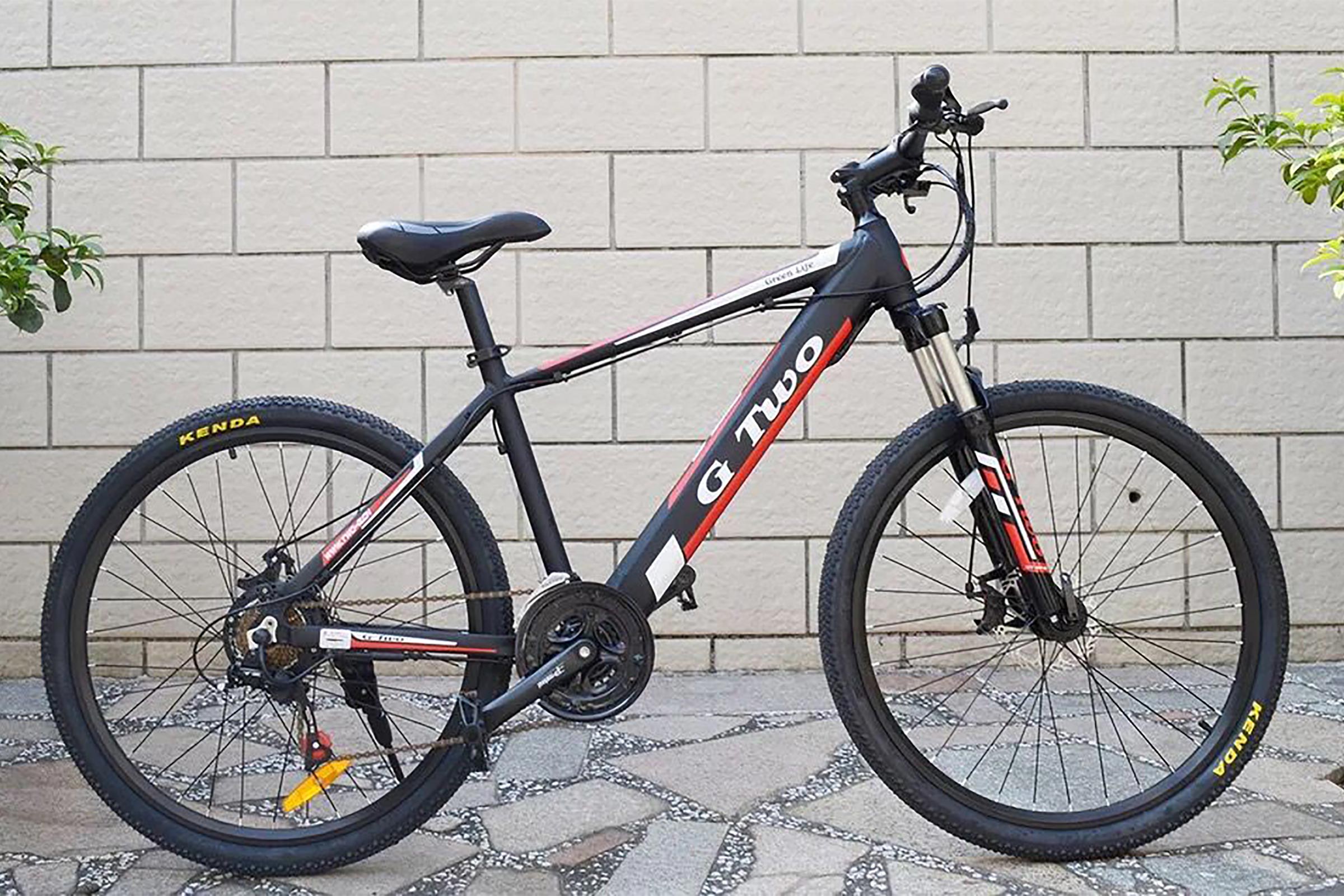
Mountain Bikes: Some people might consider this cheating, but others have found that the electric version gives them the opportunity to go places they couldn’t go to normally. They have more capability on average and a good battery – therefore your trips can be longer and you can go mountain biking for quite some time.
Tricycles and Pedicabs: Pedicabs and three-wheel bicycles are popular in tourist areas. You will often see a few people being driven around in them by their driver. Many pedicabs are still pedal-powered, but this is considered more of a novelty. Instead, by using a small motor, people can still get around easily using this charming mode, but with more speed.
Folding Bikes: The folding e-bikes are almost always just street bikes, but they fold up, meaning that they are much easier to transport around due to their size. They are also easier to carry and take up much less room to store. One disadvantage though, is that they are heavier.
The Laws and Regulations
Pay very close attention to laws and regulations surrounding the use of e-bikes. They are still new enough that local laws haven’t caught up with them and so some cities treat them like normal bicycles and others treat them like automobiles. In some municipalities, you can use the bicycles lanes, bicycles paths, trails and off-street bikeways. In other areas, you need a license and cannot use the bikes trails. You must be a minimum age to operate an e-bike in at least forty states and provinces. Usually, that age is 14-16 years or older. However, in Quebec, you must be 18. So please check the laws regarding age restrictions in your area. Each state and province have varied rules and regulations. Make sure that you are aware of your municipality laws before riding.
What is E-Bike Technology Like?
An e-bike consists of a motor, battery, and a display. The display provides information like the remaining battery life, speed, distance travelled and sometimes more. Obviously, motors and batteries can differ in size and power and are why the cost will vary.
Electric bicycles have several more parts than normal bike and more parts mean more opportunity for issues to arise. E-bikes are heavier than regular pedal bikes. Most of the time when you are biking you won’t notice. If, however, you happen to run out of juice while going up a rise, you may start to notice the extra weight of the motor and battery pack.
On the note of running out of electricity, don’t forget to charge your battery after each ride. Also, don’t let your e-bike sit unused for too long. Lithium-Ion batteries last two to five years and an SLA battery lasts 1-2 years, so keep that lifespan in mind.
Do You Need to Pedal When Using an E-bike?
When you push the pedals on a pedal-assisted bike, a small motor engages, therefore giving you a push. You will be able to bike up hills and cruise through uneven terrain without using much, if any, of your own energy. E-bikes feel just like a regular pedal bicycle, but they are much more powerful and can accelerate more rapidly. This allows you to ride long distances in a shorter period of time!
Do I Need a Licence or Registration for My E-Bike in New York?
Please check for the most current information regarding the laws in your area.
How Far Can I Go On an E-Bike?
Electric bikes claim to do anywhere from 16 – 128 km (10 – 80 miles) per charge – depending on the conditions in which you are travelling. E-bike batteries are amazing when it comes to convenience! If you can find an outlet then you can charge your battery. Most batteries can be fully charged in 5 – 8 hours.
Things to Consider When Purchasing an E-bike
We’ve put together the following items for you to go over before you acquire your bike so that you end up with the bicycle you need, and want.
What do you need? Which features are important to you and what is not so important? Long-distance rides, lightweight, foldable, comfort, hill climbing, power – these are all things you want to think about when deciding which e-bike is the best fit for you.
Where should you purchase your bicycle? We offer a wide variety of e-bikes, parts, accessories, clothing etc. Of course, there are regular stores too if you prefer.
How much are you willing to spend? Remember the sentence “you get what you pay for”? A high-quality e-bike will come with a correspondingly higher price tag. On the other side, e-bikes do pay for themselves with consistent use by saving you money in fuel costs, monthly insurance payments, maintenance costs, parking, and health, so think of your e-bike purchase as more of an investment
What are your riding capabilities? Are you new to biking, or are you looking for something to up your game? Do you need an e-bike that can run all day or just for an hour or so? Will it be used every day, or just for occasional pleasure? It is important to spend some time doing some research, considering all of your needs, and generally taking some time to figure out what you want out of your electric bike so that you can make the best possible decision. We want you to purchase an e-bike that will be perfect for you!